
Skip to main navigation Skip to main content

This site uses cookies

We use cookies and other tracking technologies to improve your browsing experience on our website.
Cover-crops_1024

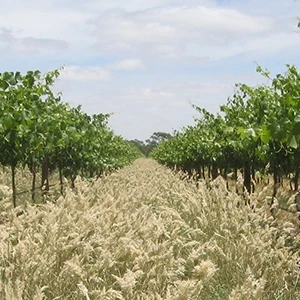
Cover crops are an important part of vineyard floor management. They can be used to support soil health, manage vineyard soils and contribute to more sustainable vineyard practices.

What are cover crops?

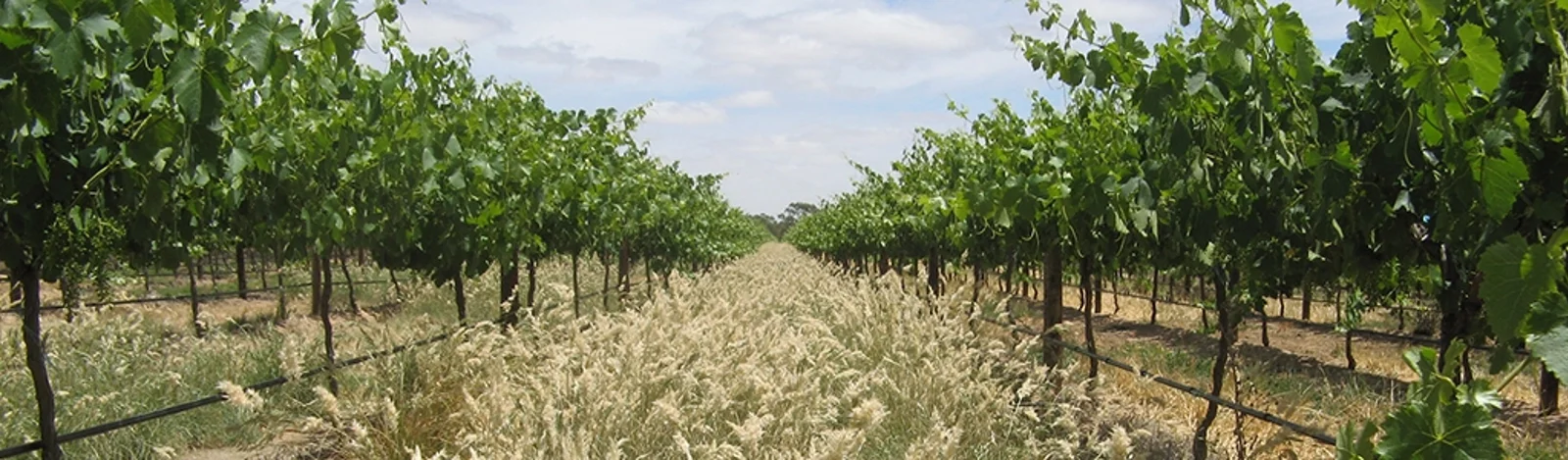
Cover crops are grown between vine rows to help protect soil, reduce erosion, suppress weeds and provide nutrients. They can also support integrated pest management by increasing biodiversity, providing habitat for pest predators and contributing to natural nutrient cycling that supports soil and vine health.

Balancing the benefits and impacts of cover crops

Cover crops can significantly affect the water available to grapevines. This can reduce vine vigour and yield, so choosing the right species and managing the cover crop appropriately can have an important effect on vineyard productivity and grape quality.

The benefits of cover cropping therefore need to be balanced against potential negative impacts.

Cover crop performance can also vary from year to year. A species or management approach that works well in one season may be less suitable in another. For example, perennial cover crops can be mown to reduce their water use in dry years, but they can restrict yields compared with using mulch in the mid-row.

Climate change adds further complexity to these decisions. With more severe summer rainfall events forecast, maintaining soil cover will become increasingly important.

Protecting soil and managing vineyard conditions

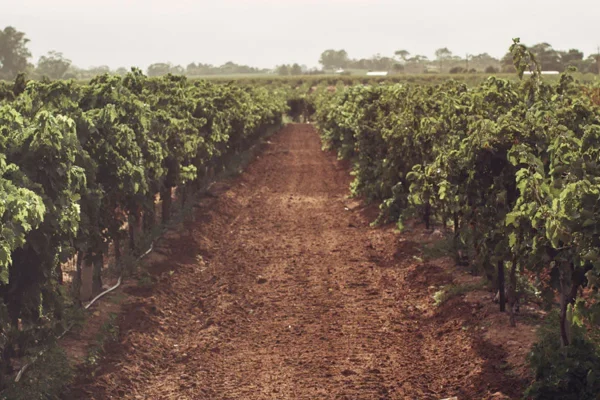
Cover crops can protect soil from raindrop impact and help prevent erosion. Rolling or mowing a cover crop can maintain protective soil cover, but these practices can also affect soil and canopy temperatures. This is particularly important when managing frost risk and summer heatwaves.

Selecting an appropriate cover crop can also help suppress weeds by out-competing other plants on the vineyard floor.

Choosing cover crop species

Cover crop species are generally selected based on their suitability to the local environment, familiarity to the grower and availability of seed.

Traditionally, vineyard cover crops have included species commonly used in arable agriculture, such as:

  • cereals
  • legumes
  • oilseeds
  • pasture grasses.

The potential benefits of replacing exotic cover crop species with native species have also gained recognition over the past decade.

Cover Crop Finder

Cover Crop Finder is a decision support tool designed to aid the selection of cover crops suitable for use in Australian vineyards.

Selecting criteria based on the purpose for the cover crop, the minimum rainfall and a choice between perennials or annual crops, you will be presented with a list of cover crops that match your criteria.
Cover Crop Finder online tool

Cover-crops_1024

Member content

This content is restricted to wine exporters and levy payers.

Reports are also available for one-off purchase to non-members.

Click here to find out more.