What biodiversity looks like in practice
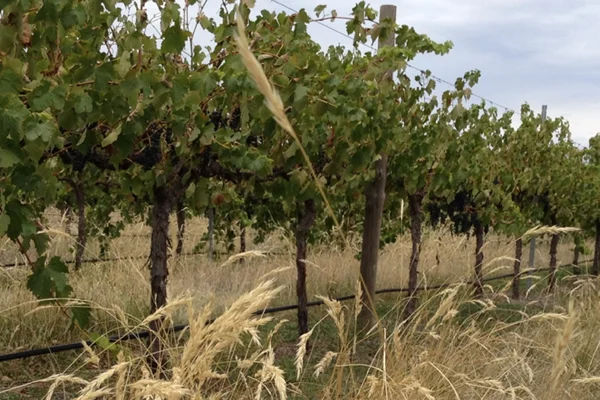
Improving biodiversity does not require setting aside large areas of productive vineyard land. Many of the most effective actions focus on areas already available within and around the vineyard, including:
- Mid-row spaces
- Under-vine zones
- Headlands
- Vineyard boundaries and shelterbelts
- Creek lines and riparian areas
- Dam margins
- Non-productive or difficult-to-manage land
- Areas used for wastewater disposal
Growers who have successfully enhanced biodiversity typically start with practical, manageable projects that complement existing vineyard operations rather than compete with them.
Building healthier vineyard soils
Soil biodiversity forms the foundation of a productive vineyard. Healthy soils contain diverse populations of microbes, fungi, insects and earthworms that help improve nutrient cycling, soil structure and water holding capacity.
Actions that support soil biodiversity include:
- Maintaining permanent groundcover or plant litter.
- Lifting mower/slasher heights to provide more protection for soil and insects
- Using cover crops between rows.
- Applying compost and mulches to increase organic matter.
- Minimising mechanical cultivation to avoid compaction.
- Protecting drainage lines from erosion.
- Monitoring soil organic matter, infiltration rates and biological activity.
- Applying fertilisers only in response to soil and petiole testing.
Growers at Paxton Vineyards reported benefits from using composts, biodynamic preparations and native plantings to support soil health and biological activity. Wastewater was also effectively used to establish native vegetation while improving soil function in non-productive areas.
Encouraging beneficial insects and natural pest control
One of the most valuable outcomes of vineyard biodiversity is the support it provides for beneficial insects.
Predatory mites, ladybirds, lacewings, hoverflies, parasitoid wasps and spiders all play an important role in suppressing vineyard pests. These beneficial species need food, shelter and breeding habitat to thrive.
Successful strategies include:
- Establishing flowering insectary plants.
- Retaining native vegetation around vineyard blocks.
- Creating shelterbelts and corridors.
- Maintaining diverse ground covers.
- Reducing broad-spectrum pesticide use where possible.
- Monitoring pest and beneficial populations before making spray decisions.
The Henschke vineyards demonstrated significant reductions in pest outbreaks after establishing native insectary plantings including bursaria, lomandra and goodenia. Beneficial wasps, in particular, were observed parasitising vine moth and other vineyard pests.
Dead Cat Gully Vineyard introduced flowering species such as phacelia, buckwheat, coriander, fennel, alyssum and lavender specifically to attract lacewings, ladybirds, hoverflies and parasitic wasps, resulting in relatively few pest problems and strong populations of beneficial insects.
Native grasses and cover crops
Native grasses offer an alternative to traditional annual cover crops and can provide long-term biodiversity benefits with lower ongoing inputs. Many species are drought tolerant, adapted to Australian conditions and effective at suppressing weeds once established.
Grower trials have demonstrated benefits from species such as:
- Wallaby grass (Austrodanthonia spp.)
- Windmill grass (Chloris truncata)
- Spear grass (Austrostipa spp.)
- Weeping rice grass (Microlaena stipoides)
Falkenberg Vineyard established native wallaby grasses in vineyard mid-rows with the goals of:
- Reducing weed pressure
- Improving soil structure and infiltration
- Increasing habitat for native birds and beneficial insects
- Reducing herbicide use
The grasses also helped suppress problem weeds such as wireweed and caltrop while improving soil stability.
However, growers should assess potential competition for moisture, particularly in younger vineyards or low-rainfall situations. Trialling grasses in selected areas before full-scale implementation is recommended.
Restoring creek lines and remnant vegetation
Many vineyard biodiversity projects begin with restoring creek lines and degraded native vegetation.
Chapel Hill's Kangarilla Vineyard transformed an eroding creek system overwhelmed by ash trees, watsonia and phalaris into a revegetated corridor of locally indigenous species. The project improved erosion control, water quality and habitat value while enhancing the vineyard landscape. Success factors included:
- Thorough weed control before planting.
- Planting during wetter winter conditions.
- Grouping tube stock in prepared areas rather than planting into existing weed infestations.
- Using mulch and ongoing weed management.
- Protecting young plants from grazing pressure.