

Overview
Trialled across 14 Shiraz blocks in McLaren Vale, the report compares Tillage, Sward and Herbicide inter-row treatments on grapevine performance, soil health and ecosystem functions. Suppressing the sward by tillage or herbicide increased berry weight (yield) by around 15%, mainly due to increased soil nitrogen availability; overall vine water stress was not significantly affected. Soil organic matter, insect pathogens and seed predation were unchanged, while tillage increased organic matter decomposition and meso-fauna abundance and reduced compaction; arthropod biodiversity was highest under sward. The report recommends varying soil management over time rather than one 'permanent' practice, balancing short-term yield gains against longer-term soil health risks.
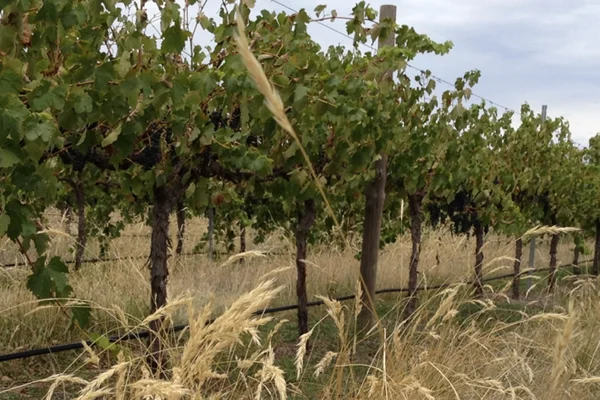
In viticulture, a perennial cropping system, sustainable soil management is of major importance to maintain production quantity, quality and regularity over the life-span of a vineyard block. Vineyards are often established on agronomically ‘marginal’ soils that allow production of good quality grapes for wine making, limiting rather than maximizing yield in order to increase the quality of the grapes and the wine. This also implies a risk that such marginal parameters will evolve over time to unfavourable conditions and a negative impact on production. Different soil management options are available for -and used by- grape growers: Ground cover (natural or sown, permanent or not), herbicide applications, tillage or a combination of these. Growers often tend to opt for a single strategy in a block and maintain it over many years. However, over time a chosen soil management practise can also show adverse effects, such as too much or not enough competition, or a decrease in soil organic matter (SOM), leading to a shift in plant performance. The use of a permanent sward (ground cover) is the most frequently chosen option in the McLaren Vale region and this has a number of advantages, such as improving soil strength, but also imposes risks, such as strong competition with grapevines, that are not always well recognized by growers and consultants. In this experiment we quantified the effects of the suppression of the sward by tillage or herbicide application on provisioning (yield, plant growth), supporting (soil organic matter, soil fertility) and regulating (seed predation, soil organic matter degradation) ecosystem services. We also determined the effects of these practices on a number of potential ‘service providers’ i.e. organisms involved in these processes (soil arthropods, nematodes, micro-organisms). In such an ‘Agro-Ecology’ approach, we were primarily interested in interactions between different factors.
Abstract
Suppression of the inter-row permanent ground cover sward by tillage or herbicide strongly affected ecosystem services in McLaren Vale Shiraz. Ground cover suppression increased yield (berry size) by 15% (0-40%) due to increased nitrogen availability. Overall water stress (measured as must δ13C) was not significantly affected but was related to Leaf Area Index. Soil Organic Matter (SOM), entomopathogens and seed predation were unchanged. SOM decomposition and meso-fauna abundance increased in tillage while bulk density and compaction decreased. Arthropod biodiversity was highest in Sward. Optimising soil management requires variation over time to conciliate long term positive and negative impacts, increasing resilience for the grower. A three year collaborative project including winter cover crops and more regions is in preparation.
Downloads
Categories