


Work continues on the clonal project by Wine Australia’s Regional Program in Western Australia (WA) with Cabernet Sauvignon now the focus of the project.
The clonal project aims to improve growers’ knowledge of clonal diversity – and determine which clones are preferable for WA conditions.
To date, the group has compared the performance of Tempranillo, Shiraz, Pinot Noir and Merlot. Now the project is assessing the performance of Cabernet Sauvignon clones.
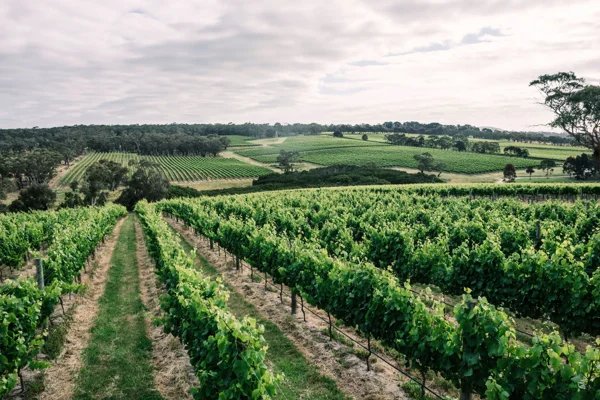
In 2019, a block of mature Cabernet Sauvignon (clone 126) in a Margaret River vineyard were grafted over to 14 different clones and selections[1]. The first crop from these vines was harvested earlier this year, and small lot wines have been made from the 14 clones/selections.


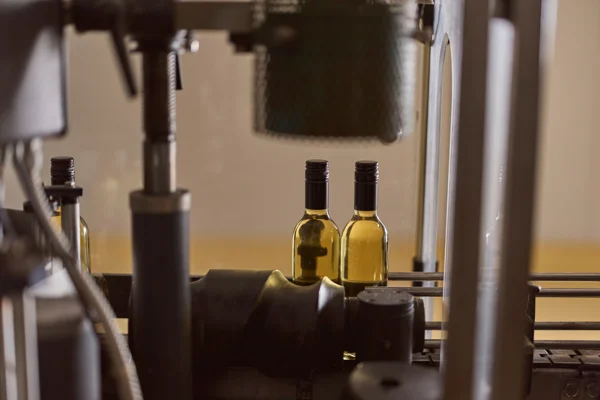
Richard Fennessy with the recently bottled Margaret River Cabernet Sauvignon clones/selections
“Approximately 25kg of fruit was harvested for each of the clones, which produced around a dozen bottles,” said Richard Fennessy, Research Scientist (grape and wine) with the WA Department of Primary Industries and Regional Development.
“Considering the importance of Cabernet in Margaret River, producers are now very keen to taste and compare these wines in upcoming industry tasting workshops.”
Richard said the project would continue into 2021–22 to assess how the Cabernet Sauvignon clones continue to perform over different vintages with the addition of field performance measurements.

“A key aim of this project is to inform producers of the diversity of genetic material of Cabernet Sauvignon available in WA and the benefits of multi-clonal plantings compared to mono-clonal,” said Richard.
“It will allow us to compare heritage clones and selections to newer clones and selections – and hence assist wine producers in their decision-making on what genetic material they should be considering for future plantings and reworks of existing vineyards when considering site and targeted wine style.”
Trunk disease survey
As a significant number of WA’s vineyards approach 30-plus years of vine age, producers are observing declines in yield which many attribute to dieback (cordon death).
“There is a belief by some producers that the dieback symptoms they are observing are caused by Eutypa lata however Eutypa has not been detected in WA and these reported symptoms are likely to be due to Botryosphaeria,” said Richard.
An activity for the 2021–22 Regional Program will offer free diagnostic testing of symptomatic vines (up to 50 across the state).

“This will provide growers with an identified disease and consequently the local industry a better understanding of trunk disease pathogens within WA and direct management techniques to best address these issues.”
Virus symposium
Western Australia and the Limestone Coast regions partnered in May this year to coordinate a ‘Grapevine virus symposium.’
The event was presented as a hybrid simulcast format with physical venues, where producers attended in both Margaret River and Coonawarra and presenters at both venues joined virtually with others from New Zealand, Victoria and South Australia. The event attracted more than 55 producers across the two sites.

The event provided improved understanding of virus biology and transmission vectors; insights into the virus status in NZ, Limestone Coast and Western Australia; new technologies and methodologies for detecting viruses; and practical advice on management strategies.
The event was recorded and is available on both the Wines of WA YouTube channel and The Limestone Coast Grape & Wine Council Inc website.
[1] This Cabernet trial is part of a larger, nation-wide project by the South Australian Research and Development Institute (SARDI). Click here for further information on this project.