


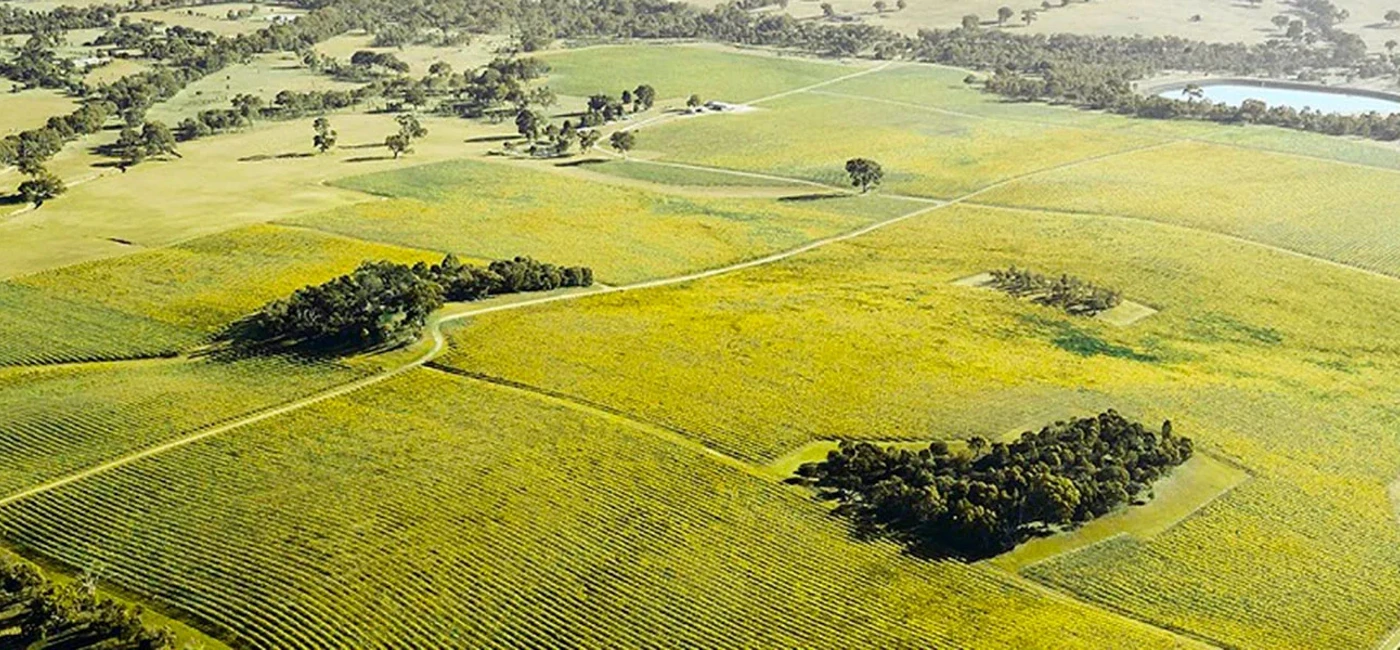
A two-year trial is underway in Victoria’s Great Western region that is combining the use of an autonomous robot with a non-chemical solution to control powdery mildew.
It has long been know that UV-C — a form of ultraviolet light — has the capacity to cause cell damage of micro-organisms, such as bacteria, fungi and viruses, thereby inactivating them. For this reason, UV-C has been used to suppress harmful microbes in various settings such as hospitals and water treatment facilities. Research has also demonstrated that UV-C is effective in controlling several plant pathogens, including powdery mildew in strawberries and grapevines.
UV-C is best applied during periods of darkness because fungi have the ability to repair the damage that UV light causes to their DNA using the blue and UV-A components of sunlight.
Commercialisation of UV-C technology has been slow as few growers or vineyard staff would put their hand up to apply UV-C light to grapevines in the middle of the night. However, the availability of autonomous robots has meant the method is now within reach.
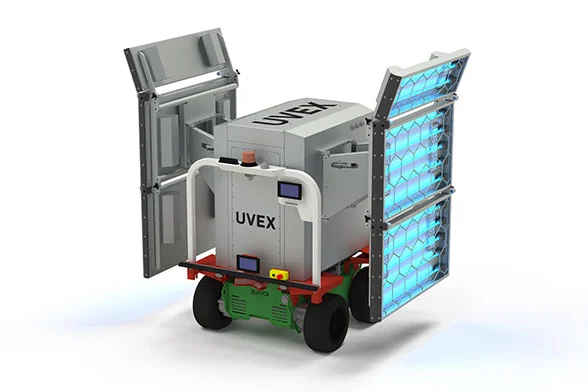
Prototype of the UVEX system
Many grapegrowers across the country have been introduced to Burro in recent years at AgTech demonstration days. Burro is an electric, autonomous robot that can carry out tasks such as transport equipment or produce around agricultural properties, including vineyards. Agri Automation, based in New Zealand and Australia, is the distributor of Burro throughout both countries and has utilised the technology to pair with its UV-C system known as UVEX.
Having performed well in New Zealand trials, the Burro/UVEX solution is now being trialled at Best’s Sugarloaf Creek vineyard in Great Western under a co-funding arrangement between Wine Australia and Agri Automation.
The purpose of the trial is to test both the efficacy of the UVEX solution in controlling powdery mildew, and functionality of the autonomous Burro unit in a commercial vineyard setting.
With a keen interest in new technologies applicable to vineyard management, Best’s Managing Director Ben Thomson is hoping the solution will not only avoid the use of water and chemicals but potentially lead to better quality fruit. Trials of UV-C technology on cherries has resulted in a thickening of skins. If this side effect was to be experienced in winegrapes, there might be implications for improved phenolics.
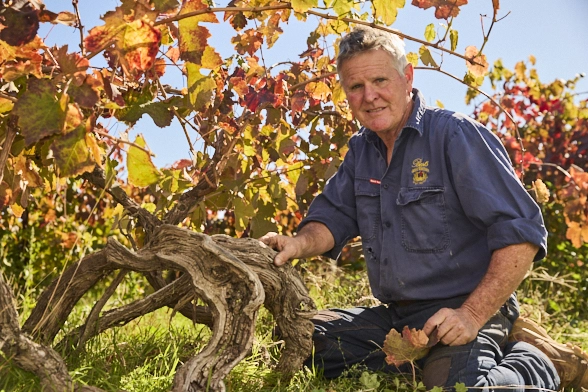
Best’s Managing Director Ben Thomson
“The biggest barrier for adoption of this technology is the fact that it has to be applied at night,” said Cam Clifford, Managing Director of Agri Automation Australia. “That’s not going to be cost effective or practical for an operation of any size.
“Having proven robotic solutions such as the Burro and GOtrack autonomous tractor system — which Agri Automation also distributes across both sides of the Tasman — allows the UVEX to be deployed at night with minimal human intervention,” Cam said.
On-the-ground testing of the UVEX system was carried out in Marlborough, New Zealand, last year, producing promising results. The trial, which is being run in conjunction with the Bragato Research Institute, will continue for the next two seasons.
Cam said that although most of the studies around the world into the effects of UV-C fungus control have related to powdery mildew, Agri Automation is also interested in looking at its effectiveness in controlling downy mildew and botrytis. These will be more closely looked at in the second year of the trial at Best’s, as well as the method’s impact on grape skins and other positive effects.
The unit will be deployed in Best’s Sugarloaf Creek vineyard on a weekly and fortnightly basis from sundown until four hours before sunrise from around the first week of October to just prior to harvest.
“Withholding periods don’t apply with this technology so we have the ability to deploy it right up until harvest should we need to,” Cam said.


