Skip to main navigation Skip to main content

This site uses cookies

We use cookies and other tracking technologies to improve your browsing experience on our website.
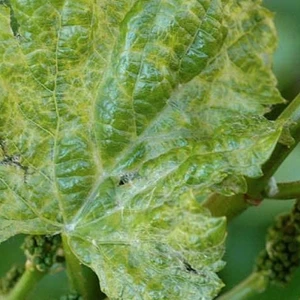
Pinot-Grigio-grapevine-showing-symptons-of-GPGV_770
Pest & disease management

Grapevine Pinot Gris virus

Grapevine Pinot Gris virus (GPGV) is established in Australia and has been detected in NSW, Victoria and SA, as well as grape-growing regions worldwide.

At a glance

  • GPGV is established in Australia.
  • Infected vines may be symptomatic, asymptomatic or symptomless.
  • The virus spreads primarily through infected planting material.
  • Bud and blister mites can transmit the virus between vines.
  • Laboratory testing is required to confirm infection.

Why GPGV matters

GPGV is important because it can spread through propagation material and may be transmitted by bud and blister mites. Overseas studies have associated GPGV with vine growth disorders, reduced productivity and a condition known as grapevine leaf mottling and deformation (GLMD). However, the impacts vary significantly between varieties, regions and vineyards.

Australian and international research has shown that:

  • some infected vines show symptoms
  • some infected vines show unusual symptoms that are difficult to link directly to GPGV
  • some infected vines remain symptomless

This means visual assessment alone cannot be relied on when making planting, redevelopment or vineyard management decisions.

GPGV is also frequently detected alongside other grapevine viruses, making it difficult to determine the contribution of GPGV alone to observed symptoms or production impacts.

Symptoms

Symptoms associated with GPGV infection may include:

  • delayed budburst
  • shortened internodes and stunted shoot growth
  • leaf mottling or mosaic patterns
  • leaf distortion and deformation
  • stunted or zig-zag shoot growth
  • bunch shatter
  • delayed ripening
  • increased berry acidity
  • reduced bunch numbers or bunch weight
  • reduced productivity in some vineyards.

Symptoms are often most noticeable early in the growing season and may become less obvious later in the season.

Symptoms associated with GPGV can resemble:

  • bud mite damage
  • blister mite damage
  • herbicide injury
  • nutrient disorders
  • cold damage.

Laboratory testing is required to confirm whether GPGV is present.

How GPGV spreads

Propagation material

The greatest risk of introducing GPGV into a vineyard comes from infected propagation material, including:

  • potted vines
  • cuttings
  • rootlings
  • budwood
  • grafting material.

Because infected vines can show no symptoms, testing is an important risk management tool when sourcing planting material.

Bud and blister mites

Research has demonstrated that grapevine bud and blister mites (Colomerus vitis) can transmit GPGV between vines. These mites are widespread in Australian vineyards and are considered a likely pathway for local spread.

Bud mite damage can resemble GPGV symptoms, including shortened internodes and distorted growth.

Alternative hosts

Several alternative plant hosts have been identified overseas, including Fat Hen (Chenopodium album), White Campion (Silene latifolia), some rose species, blackberries and raspberries.

The role of these species in virus spread is still being investigated, but controlling weeds and alternative hosts may help reduce risk within vineyards.

Equipment transmission

There is currently no evidence that GPGV is spread through pruning equipment, harvesting machinery or normal vineyard operations.

What this means for vineyard management

Use high-health planting material

Where possible, source high-health, virus-tested planting material from reputable accredited suppliers.

When purchasing vines or planning top-working programs, consider requesting evidence of virus testing for both scion and rootstock material.

Monitor for unusual growth patterns

Pay particular attention during spring when symptoms are most likely to be observed.

Look for:

  • delayed budburst
  • shortened internodes
  • distorted leaves
  • patchy stunting
  • unusual vine-to-vine variation within blocks.

Manage mite populations

Bud and blister mites are known vectors of GPGV. Monitoring and managing mite populations should form part of routine pest management.

Test, don't rely on symptoms alone

Because infected vines can appear healthy, laboratory testing is the only reliable way to confirm GPGV infection.

Testing may be appropriate when:

  • unusual symptoms are observed
  • vineyards are being assessed for redevelopment
  • mother blocks or source blocks are being used for propagation
  • vineyards are being top-worked
  • redevelopment is planned
  • planting material is being assessed before purchase.

Contact an accredited grapevine virus diagnostic laboratory for current testing options and sampling requirements.

Key takeaways

  • GPGV is established in Australian vineyards.
  • Infected vines may be symptomatic, asymptomatic or symptomless.
  • The virus spreads primarily through infected planting material.
  • Grapevine bud and blister mites can transmit GPGV between vines.
  • Symptoms can resemble other vineyard issues and should not be used to diagnose infection.
  • Laboratory testing is required to confirm the presence of GPGV.
  • High-health planting material, virus testing and mite management remain the most effective tools for reducing risk.

Member content

This content is restricted to wine exporters and levy payers.

Reports are also available for one-off purchase to non-members.

Click here to find out more.