

Overview
This report compared long-term Partial Rootzone Drying (PRD) and reclaimed wastewater irrigation against standard practice at Barossa Valley and McLaren Vale vineyards, assessing soil chemistry, root distribution, soil biology and microbial activity down the soil profile. PRD restricted root growth, especially at depth, without affecting yield or susceptibility to soil-borne fungi such as Pythium; microbial activity was unaffected, remaining stable after 11 days dry. Reclaimed wastewater had little effect on soil chemistry or roots versus mains water, did not raise salinity or boron beyond acceptable levels, and improved soil microbial activity without increasing fungal pathogen levels.
Soil health at different irrigation strategies using soil microbial activity as the measure.
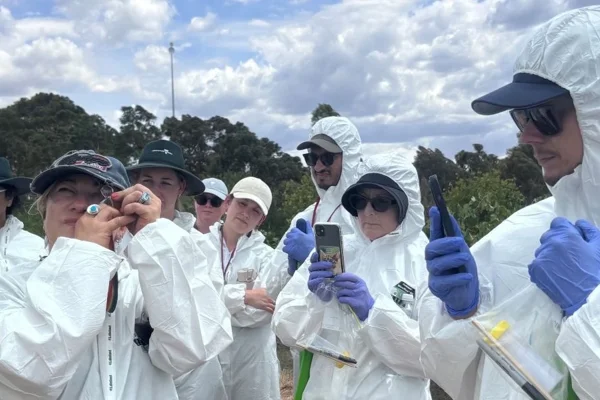
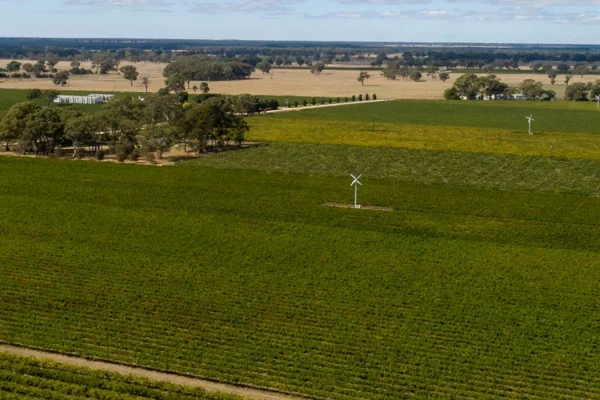
Extensive soil sampling was undertaken in vineyards at Nuriootpa and McLaren Vale at different depths and at various distances from the trunks of Shiraz vines. Irrigation practices examined were conventional drip irrigation, partial rootzone drying (PRD), and use of normal water sources as well as reclaimed wastewater (i.e. treated domestic sewage). Particular interests were the distribution and health of roots and whether there was any greater susceptibility to soil-borne pathogens under strategic irrigation practices.
Results of root distribution analyses confirmed that the majority of roots were located at 10 to 30 cm down the soil profile and that vines under standard drip had slightly greater root density compared to PRD but similar distribution. This distribution was not affected by use of reclaimed wastewater, however, and wastewater caused no significant change to microbial activity in the area of greatest root concentration. In addition, standard drip applications and PRD were found to have no detrimental effect on root health. Although it had been thought that the alternate wetting and drying of PRD might increase susceptibility to root infection by soil-borne fungi this did not appear to be the case.
Important outcomes for the industry are knowing PRD appears to be sustainable and that reclaimed water can be viable for vineyard irrigation.
Abstract
The purpose of this research was to address grape grower concerns about possible long term effects on soil and vine health of irrigation practices which either used less water or reclaimed water.
Downloads
Categories